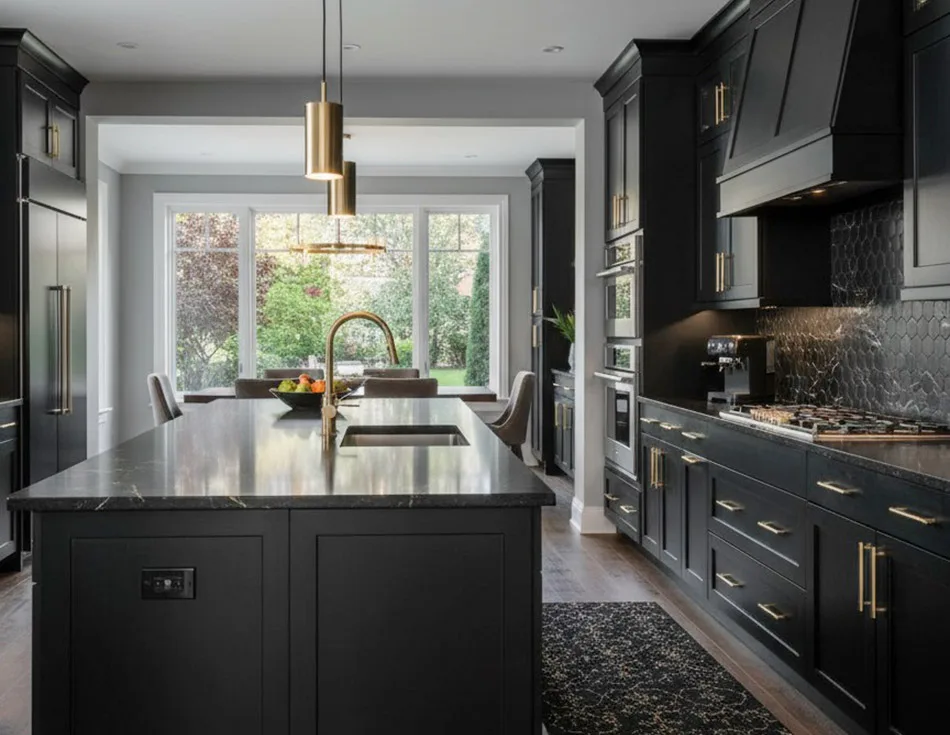
Kitchen cabinets take on more daily wear than almost anything else in the house. They get slammed, spilled on, humidified by dishwashers and stovetops, and loaded down with everything from cast iron pans to small appliances. Eventually, even well-built cabinets start to show it. The question most homeowners ask isn’t whether their cabinets look a little tired, but when to replace kitchen cabinets versus simply refreshing them.
Below are the most common signs that point to full replacement, along with expert insight on how to tell the difference between a cosmetic fix and a structural one.
1. Doors and Drawers No Longer Close Properly
If cabinet doors hang crooked, drawers stick or fall off their tracks, or you’ve started propping doors shut with a twist tie, that’s more than a cosmetic issue. It usually means the cabinet box itself has shifted, warped, or weakened at the joints.
Hinges and slides can be replaced on their own, but if the underlying frame has moved, adjusting hardware only masks the problem for a little while. Our designers typically look at whether the issue is isolated or spread across the kitchen. One sticky drawer is often just worn hardware, an easy fix. But when several doors and drawers are misaligned at the same time, that usually points to the cabinet boxes settling or the material breaking down, which no amount of hardware adjustment will solve long term.
2. Visible Water Damage or Swelling
Kitchens deal with more moisture than any other room, between sink splashes, dishwasher steam, and the occasional leak under the sink. Particleboard and lower grade materials absorb that moisture over time, causing doors and cabinet bottoms to swell, bubble, or separate at the seams.
Once wood based material has swollen from water damage, it doesn’t return to its original shape. The clearest signs of damage that’s gone past repair are soft or spongy spots when you press on the cabinet bottom, visible bubbling along the base or toe kick, and a musty smell that doesn’t go away with cleaning. Persistent moisture in cabinetry can also encourage mold growth, and the EPA’s guidance on mold and moisture control notes that materials which stay damp for more than 24 to 48 hours are especially prone to it. Once the material has swollen or delaminated, it has lost its structural integrity, and refinishing the surface won’t fix what’s already happened underneath. At that point, the cabinet is a structural liability rather than a cosmetic one, and it’s worth having it looked at through a design consultation before deciding on next steps.
3. Layout No Longer Fits How You Cook or Live
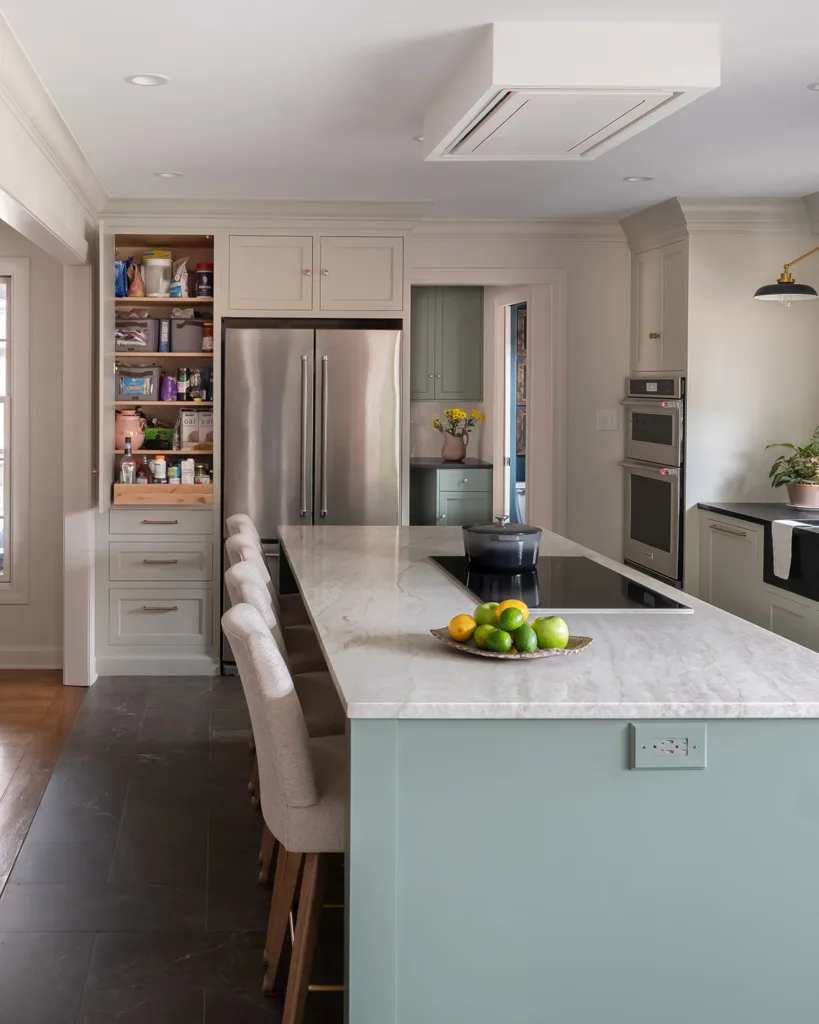
Sometimes cabinets are in fine physical shape, but the layout itself doesn’t work anymore. Maybe the kitchen was designed for a much smaller household, or the cabinets were placed for a style of cooking and entertaining that has changed. Awkward corner cabinets, a lack of pantry storage, or an island that blocks natural workflow are common frustrations.
To figure out whether a kitchen’s problem is really about layout rather than cabinet condition, we ask homeowners to walk us through a typical meal, from prep to cooking to cleanup. If they’re constantly working around the cabinets rather than with them, reaching over each other for basic tools, or running out of counter space for everyday tasks, that’s a layout issue. No amount of repainting or hardware upgrades changes how a kitchen actually functions. This is one of the clearest cases for full replacement rather than a simple refresh, since layout problems are built into the cabinet placement itself. When layout is the culprit, semi-custom kitchen cabinetry built around how you actually cook tends to solve the frustration for good.
4. Outdated Materials That Cannot Be Refinished
Older kitchens, especially those from the 1980s and 1990s, often used laminate, thermofoil, or veneer over particleboard. These materials were common for their cost and consistency, but they don’t hold up the way solid hardwood does. Once the surface starts peeling, chipping, or discoloring, there’s often no material underneath worth saving.
A simple way to check whether cabinets are solid wood or a material that can’t be refinished is to look at an edge or corner where the surface has chipped. Solid wood shows consistent grain all the way through. Laminate and thermofoil show a thin surface layer over particleboard or fiberboard, and once that layer is damaged, refinishing isn’t an option. At that point, replacement is really the only path to a lasting result, which is part of why we build exclusively with premium hardwoods rather than laminate or thermofoil.
5. The Kitchen Feels Outdated Compared to the Rest of the Home
Sometimes cabinets are fully functional, but they clash with a home that’s been updated in other ways. New flooring, countertops, or an open floor plan can make older cabinetry stand out for the wrong reasons. This is less about function and more about the kitchen matching the rest of the home’s style and value.
Whether it’s worth replacing cabinets that still function fine just because the style feels outdated really depends on the goals for the home. If a homeowner is planning to stay for many years, updating cabinetry to match the rest of the home tends to be worth the investment, since it improves daily use of the space and tends to hold value well. If the concern is purely about resale in the near term, a lighter update like new hardware or a fresh finish might be a better fit than a full replacement. For homeowners planning to stay long term, this is often the point where semi-custom kitchen cabinetry offers the best return, both in daily enjoyment and resale value.
Making the Right Call
Deciding when to replace kitchen cabinets usually comes down to whether the problem is cosmetic or structural. Sticking hardware, dated finishes, and surface scuffs can often be improved without a full remodel. But water damage, layout problems, and materials that can’t be refinished are signs that new cabinetry is the better long term investment.
At StoneHill Cabinetry, every kitchen is handcrafted in Lancaster County, Pennsylvania, using premium hardwoods built to handle real daily use for decades, not just years. If you’re weighing a refresh against a full replacement, find a designer near you to get an honest assessment of what your kitchen actually needs.
Find a Designer
We have hand-selected design partners across the country. These designers can guide your vision for your home into a fully satisfying reality.