A Complete Guide to Choosing the Right Cabinet Materials
Introduction
Determining what is the best material for kitchen cabinets is one of the most important decisions in any kitchen renovation. Cabinets account for 30 to 50 percent of your remodel budget and dominate the visual space, so this choice impacts both functionality and aesthetics for years to come.
The ideal material depends on your budget, lifestyle, and design preferences. From the natural beauty of solid wood cabinet options to budget friendly options like laminate, understanding each material’s pros and cons will help you make an informed decision. This guide explores the most popular kitchen cabinet materials available in 2025.
Popular Kitchen Cabinet Materials

1. Solid Wood
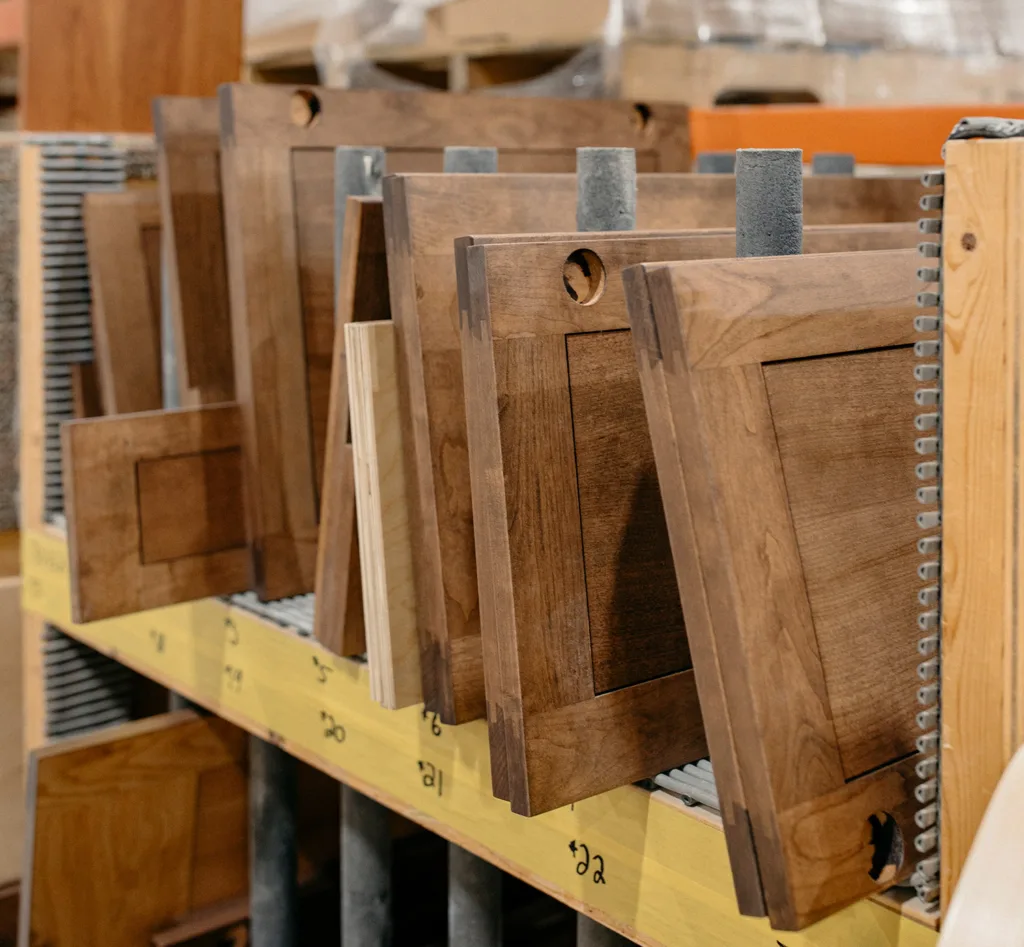
Natural wood remains the gold standard for kitchen cabinetry, prized for its natural beauty and exceptional durability. Popular wood options include oak, maple, cherry, birch, and walnut, each offering unique grain patterns and color tones. A solid wood cabinet can last decades with proper care and can be refinished multiple times to update its appearance.
However, natural wood is prone to warping in high-humidity environments and requires regular maintenance to preserve its finish. Scratches can typically be sanded out, making repairs straightforward compared to other materials. The higher cost makes this a premium investment, but many homeowners find it worthwhile for the timeless appeal. The cost of cabinetry widely depends on the scope and customization level.
2. Plywood
Plywood is an engineered wood product constructed by layering thin slices of wood veneer and bonding them together under heat and pressure. This cross-grain construction makes plywood exceptionally strong and resistant to warping—a popular choice for cabinet boxes in mid-range to high-end cabinetry. Many manufacturers consider plywood the best substrate for kitchen cabinet construction.
Plywood offers an excellent strength-to-weight ratio, holds screws securely, and provides better moisture resistance than solid wood. It’s more affordable than solid hardwood while delivering superior structural performance. Quality varies significantly between grades, so look for cabinet-grade or furniture-grade plywood for best results. Exposed edges require finishing or edge banding for a polished appearance.
3. Medium Density Fiberboard (MDF)
Medium density fiberboard MDF is made by breaking down wood fibers and combining them with resin under high heat and pressure. The result is an extremely smooth surface ideal for painted finishes and intricate door designs like raised panels and decorative profiles. MDF is easy to clean and offers consistent density throughout, with no grain pattern to telegraph through paint.
The main drawbacks include vulnerability to water damage—if moisture penetrates the surface, the material can swell and become difficult to repair. MDF doesn’t hold screws as securely as plywood and cannot be refinished like natural wood. However, for homeowners wanting a flawless painted finish at moderate cost, MDF doors paired with plywood boxes offer an excellent solution. Cost range: $1,500 to $8,000.
4. Wood Veneer
Wood veneer combines natural beauty with affordability by bonding thin slices of genuine hardwood onto engineered wood substrates like plywood or MDF. This popular choice offers a wide variety of wood species and grain patterns, providing the authentic look and warmth of natural wood at reduced cost compared to solid wood cabinet construction.
Veneer can be stained and finished like solid wood, offering flexibility to change the cabinet appearance over time. The engineered substrate provides better dimensional stability than solid wood, reducing the risk of warping. However, veneer cannot be refinished as many times as solid wood since the decorative layer is quite thin. Quality varies based on veneer thickness and adhesive quality—choose products with thicker veneer layers for better longevity. Cost range: $2,500 to $10,000.
How to Choose the Right Material
Consider these key factors when selecting from the wide range of available cabinet materials:
- Durability: For long-term homes, invest in solid hardwood or quality plywood construction. Mid-range engineered wood materials work well if you plan to sell within 10-15 years.
- Environment: High-humidity kitchens should avoid materials prone to warping like particle board and unsealed MDF. High pressure laminate HPL and stainless steel excel in demanding, moisture-rich conditions.
- Style: Traditional kitchens suit natural wood grain patterns and warm tones. Contemporary designs favor painted cabinetry and sleek doors.
Conclusion
Determining what is the best material for kitchen cabinets depends on your unique combination of budget, style preferences, and durability requirements. There’s no single best material—rather, there’s a best material for your specific situation and priorities.
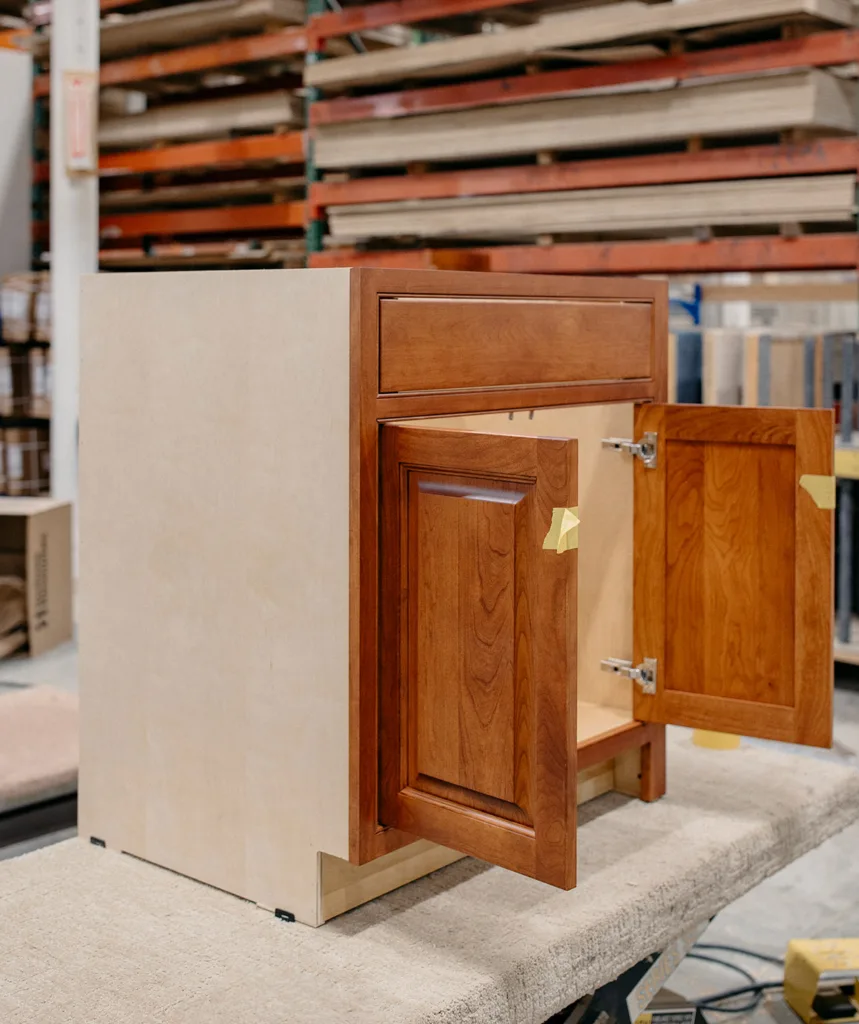
For most homeowners, a strategic combination of materials works best: plywood boxes provide structural integrity and moisture resistance while your choice of door material—whether solid hardwood for natural beauty, wood veneer for affordability, —can match your design vision and budget constraints.
Visit showrooms to see and touch different materials in person, request samples to evaluate in your home’s lighting, and consult with kitchen designers who can match popular kitchen cabinet materials to your specific needs and local climate conditions. With the right selection and quality construction, your new cabinets will serve as a beautiful, functional foundation for your kitchen for many years to come.
Find a Designer
We have hand-selected design partners across the country. These designers can guide your vision for your home into a fully satisfying reality.